Physical media has changed as new technologies have
developed. Select a category and timeline entry to
explore how books, recorded music, home video, and
physical video games evolved throughout history.
Interactive Timeline
click on a timeline entry to learn more about the history of physical media.
1450s
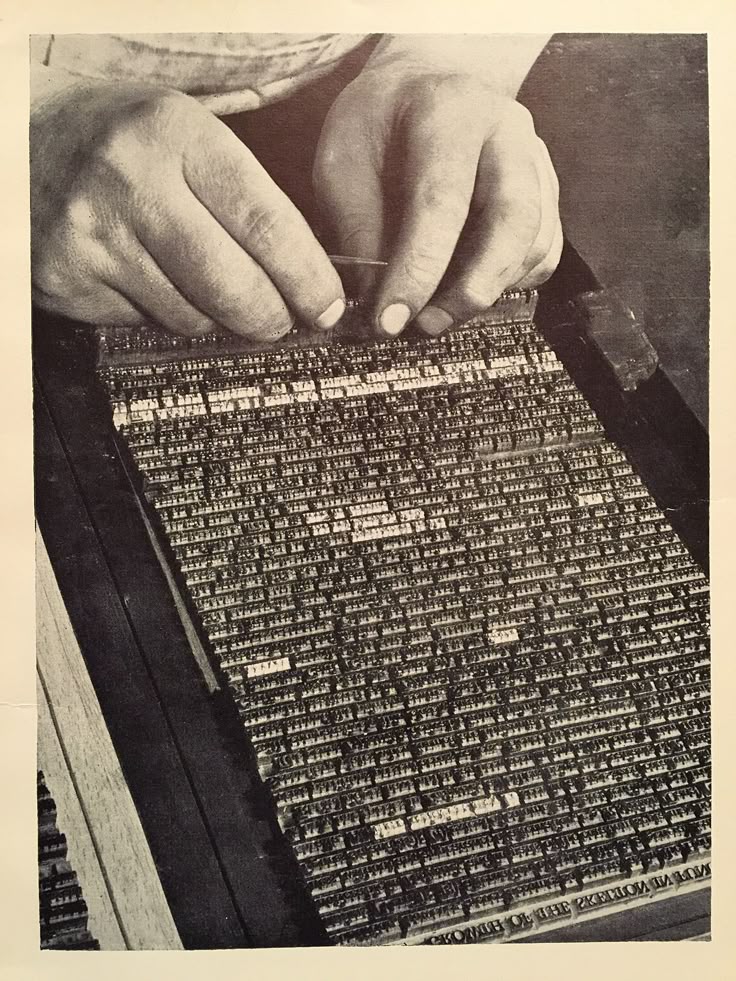
Printing Press
The movable type printing press made it possible
to produce books more quickly and distribute
information to larger audiences.
Why It Mattered
Printed material helped preserve knowledge
and made books more accessible.
Did You Know?
Earlier books were copied by hand, making
them slower and more expensive to produce.
The Evolution of Physical Media
Physical media has constantly evolved to meet the
needs of each generation. New formats often improved
storage capacity, portability, durability, or media
quality while preserving the ability to own a
physical copy.
Although streaming and digital downloads have become
increasingly popular, many earlier formats continue
to be collected, restored, and enjoyed today.
Physical media is more than a storage format. It is
part of our cultural history and documents how people
have shared stories, music, films, and games across
generations.
Did You Know?
📖 Books
Some books printed over 500 years ago are still
readable today.
💿 Compact Disc
The standard CD can store about 700 MB of data,
which was considered enormous in the 1980s.
🎵 Vinyl
Vinyl records have become popular again, even
among younger generations.
📼 VHS
Video rental stores helped make home movie
watching a cultural tradition.
🎮 Video Games
Original game cartridges from the 1980s are now
valuable collector's items.
📀 Blu-ray
Blu-ray discs can hold significantly more data
than DVDs, allowing high-definition video.
Looking Back Helps Preserve the Future
Every format tells part of the story of how people have
preserved knowledge, shared entertainment, and connected
with one another. Understanding the history of physical
media helps us appreciate why many people continue to
collect and preserve it today.